
JS 37000 Guard Rail
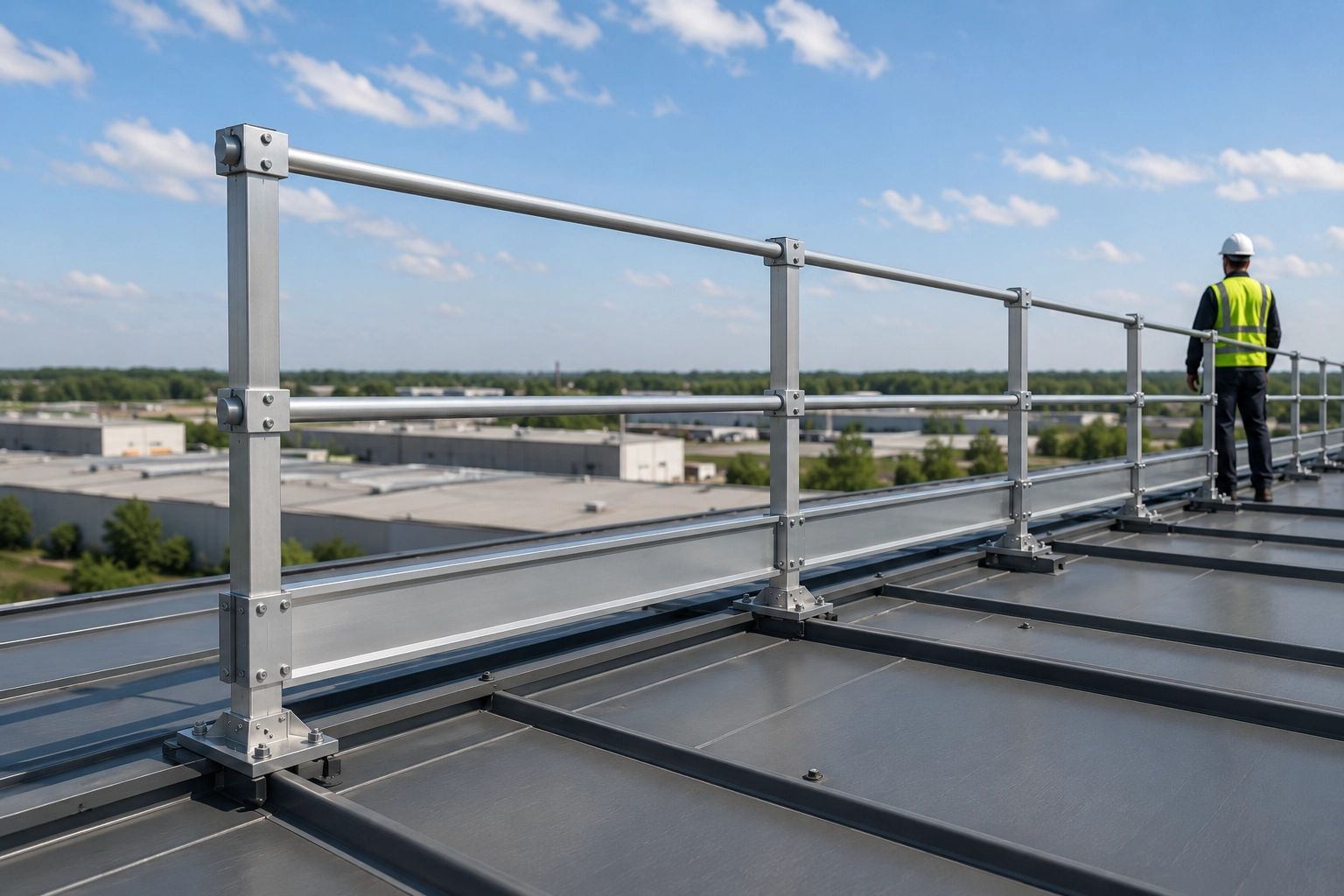
Roof-perimeter guard rail system for collective fall protection on standing-seam and trapezoidal metal roofs.
Jayco Guard Rail is an engineering upgrade for metal roofs where teams need safer roof-edge movement without relying only on individual anchorage. It creates a fixed perimeter barrier on standing-seam and trapezoidal roofs while keeping installation practical, durable, and suitable for repeated inspection or maintenance access.
2
roof-fixing methods for metal roof profiles
System Overview
Guard rail creates collective perimeter protection, but it must not be used as an anchor point.
The system focuses on preventing people and loose items from reaching or crossing the roof edge. Its top rail, mid rail, toe guard, roof-profile compatibility, and OSHA-based dimensional references make it a perimeter safety solution rather than a personal fall-arrest anchorage.
Product overview
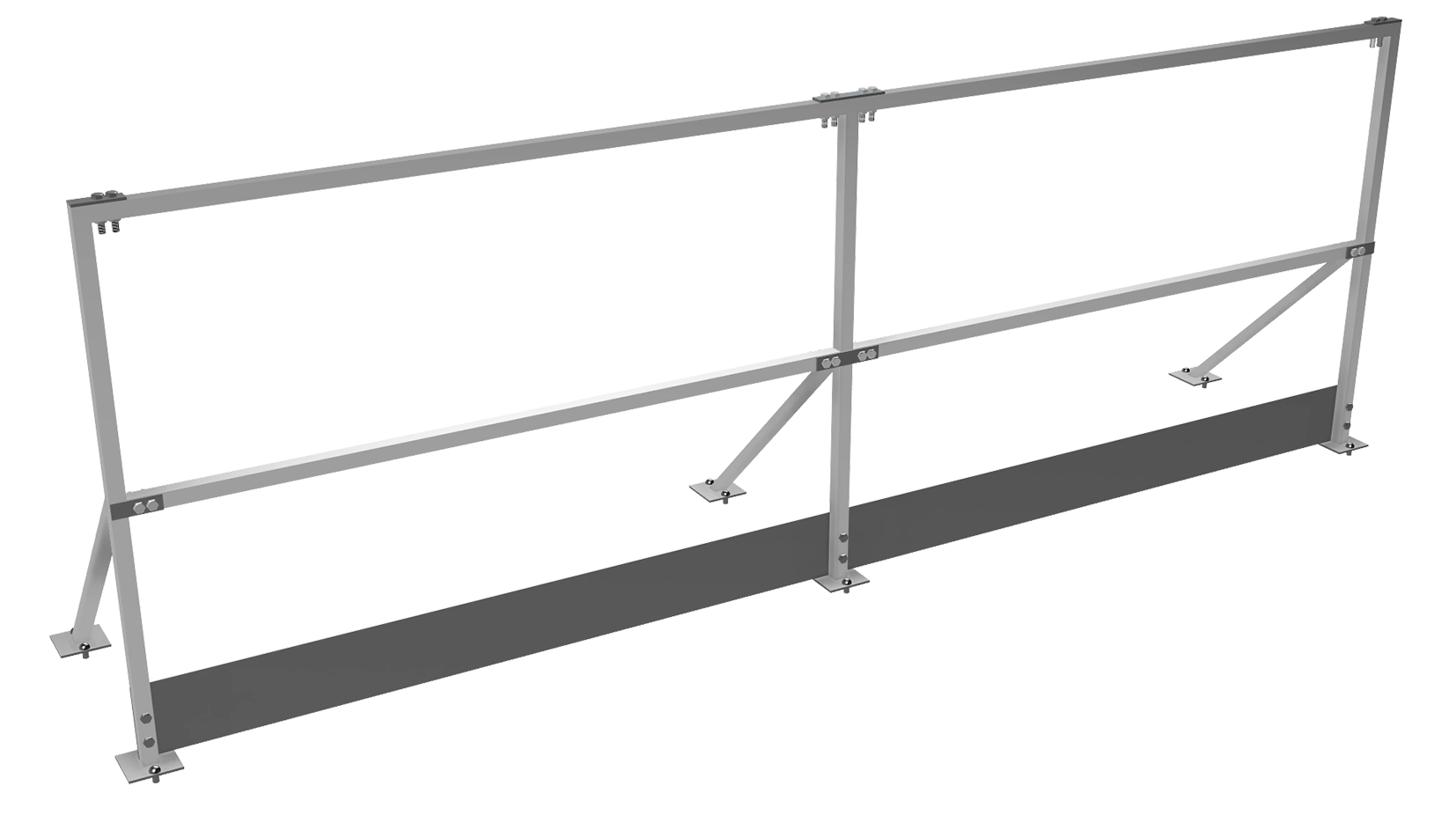
- Guard rail for metal roofs provides a fixed perimeter barrier to help prevent falls while working at height.
- The system can be designed for both standing-seam and trapezoidal metal roofs, creating a defined safe working boundary.
- Durable safety-railing construction supports repeated roof maintenance and inspection access.
- Top railing is set at 1050 mm and mid rail at 525 mm to create a two-level protective barrier.
- A 150 mm toe guard is attached at the bottom to help prevent tools, tackles, and small materials from falling off the roof edge.
Where this system fits
- Collective perimeter fall prevention for roof-edge work where multiple people may need access.
- Compatible layout options for standing-seam roofs where seam-friendly fixing is required.
- Compatible layout options for trapezoidal metal roofs using direct mechanical fixing.
- No-welding site approach using mechanical fixing methods to reduce hot-work requirements.
- Routine roof inspection routes where workers need a defined boundary near open edges.
- Maintenance zones around rooftop equipment, HVAC units, solar areas, and service platforms.
- Access points, ladders, roof hatches, and transition areas where workers enter the roof zone.
- Exposed roof perimeters where toe-guard protection helps reduce falling-tool risk.
Advantages
The key advantages are roof-profile adaptability, no-welding installation, OSHA-aligned testing, and galvanised durability.
The system is designed around installation practicality and long-term reliability. Customers can use it to create a safer roof perimeter while matching the fixing approach to the roof sheet profile and avoiding unnecessary hot-work activity on site.
Adaptability On Maximum Roof Sheets
Guard rail for metal roofs is suitable for a wide range of metal profiles and standing-seam roofs, helping customers standardize perimeter protection across different roof areas.
No Welding Application On Site
The system is manufactured from standard pipe sections so it can be installed using mechanical fasteners without welding, reducing hot-work preparation and site disruption.
Standards
The system is tested as per OSHA standards, giving customers a clearer compliance reference for perimeter protection.
Durability
Available in hot-dip galvanised steel for long-lasting protection, corrosion resistance, and structural strength in exposed roof environments.
Important Warning
The guard rail must not be treated as an anchor point for work positioning or lifting.
This warning is important because the guard rail is designed for collective perimeter protection, not for load suspension, work positioning, or personal fall-arrest anchorage.
Usage warning
Guard rail installed on roofs cannot be used as an anchor point. No person should use it for work positioning, personal fall arrest, or material lifting. If anchor points are required, they must be designed and selected separately from the guard rail system.
Fixing Mechanism
Separate fixing methods adapt the same guard rail concept to trapezoidal and standing-seam roofs.
The guard rail geometry remains focused on perimeter protection, while the base fixing changes according to the roof profile. This helps the system suit common industrial metal roofs without treating every roof sheet as the same installation condition.
Fixing Mechanism On The Trapezoidal Roof
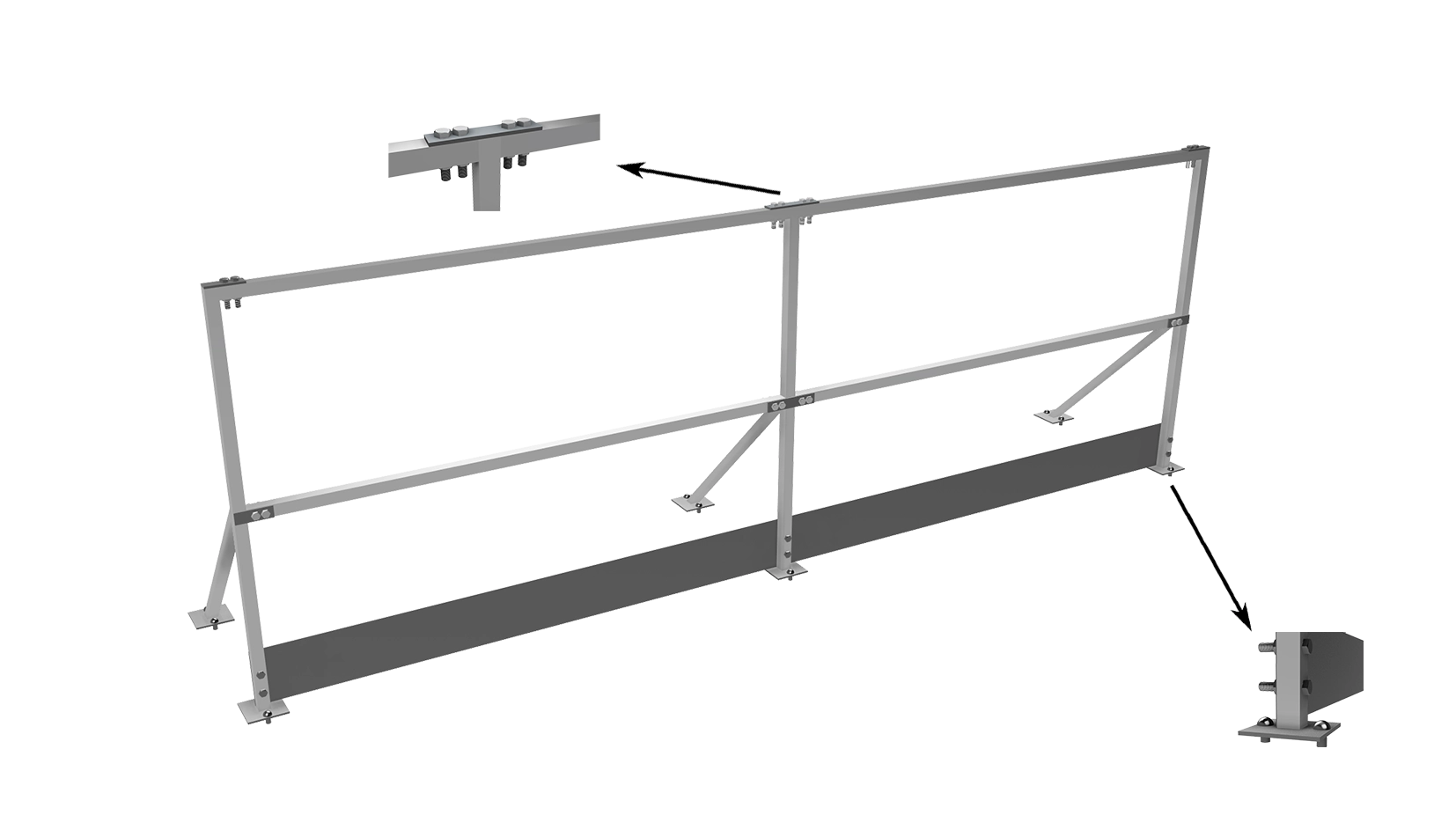
- Installation uses rivets or self-tapping screws to mechanically secure the base to the trapezoidal roof profile.
- The fixing arrangement creates a direct mechanical attachment to the roof sheet profile.
- The purpose is to create a safe work perimeter without converting the rail into an anchor system.
Fixing Mechanism On The Standing-Seam Roof
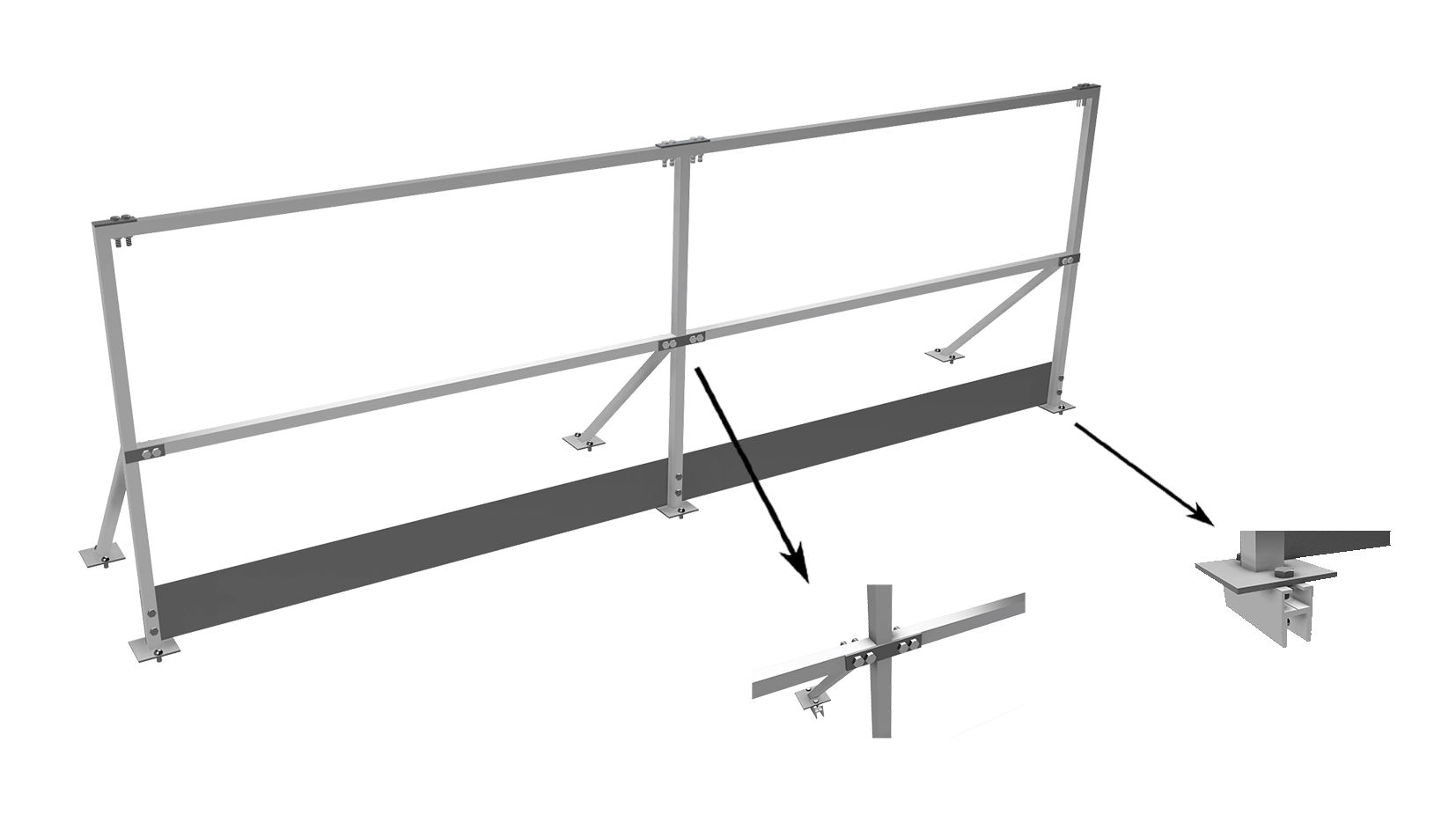
- The standing-seam roof version uses a different base-fixing arrangement suited to seam-type roof construction.
- The same guard-rail geometry is adapted to the roof profile without changing the perimeter-protection purpose.
- The fixing method supports practical installation instead of hot-work fabrication on site.
Trapezoidal Roof Detail
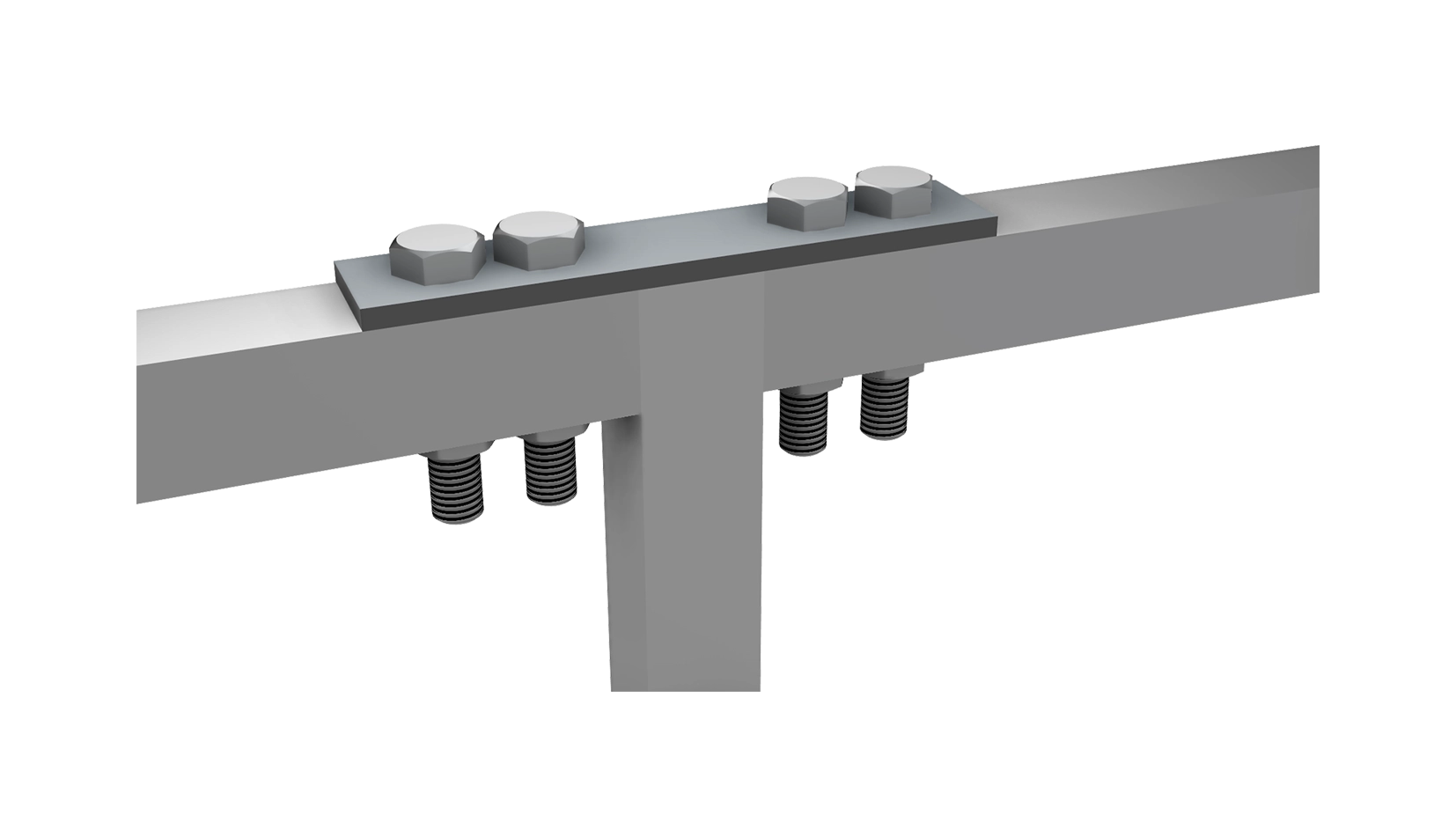
The fastener arrangement is designed for the trapezoidal roof version, where direct mechanical fixing is used at the roof profile.
Standing-Seam Detail
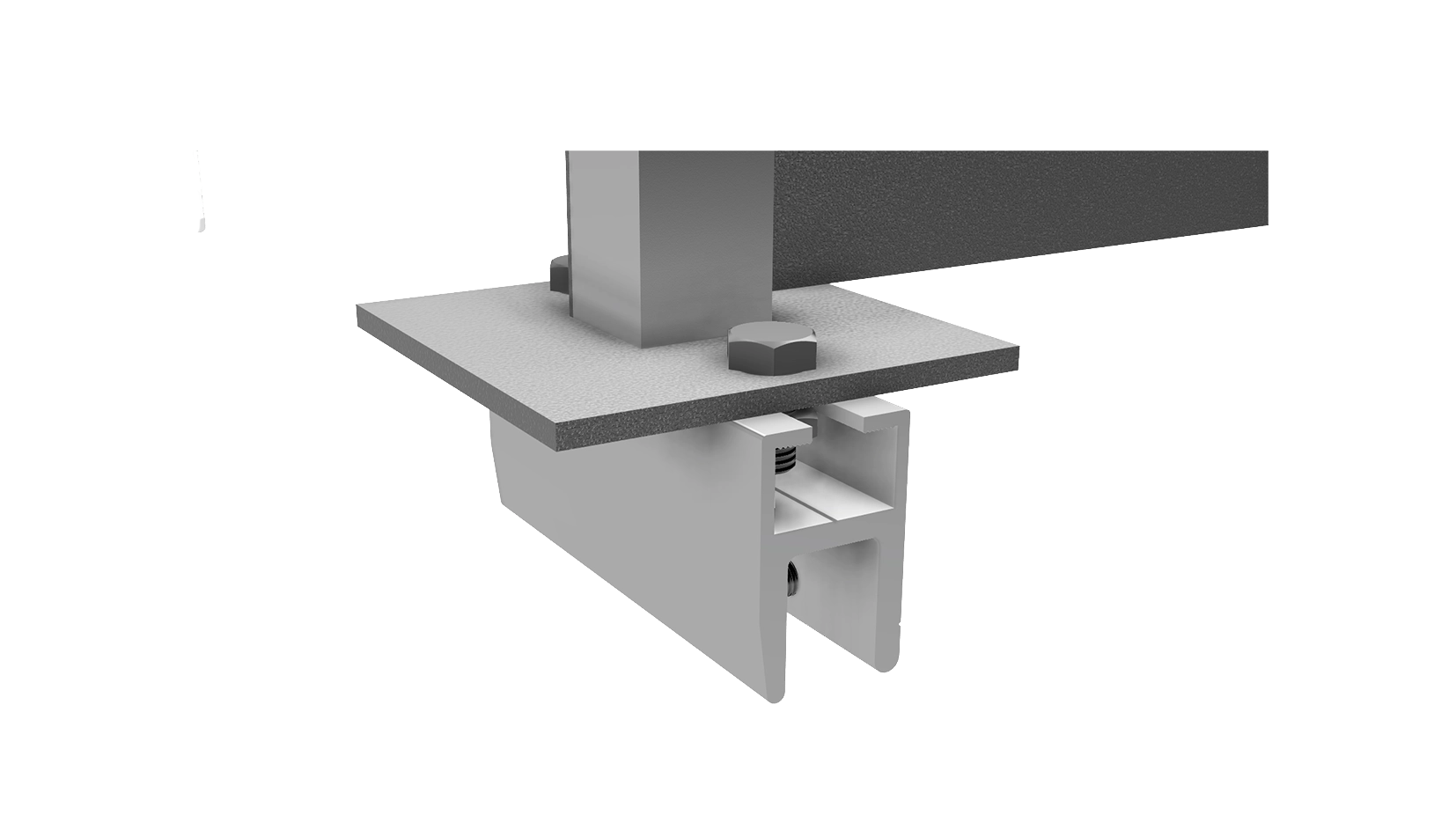
The standing-seam detail keeps the same guard-rail intent while adapting the base connection to seam-type roof construction.